Purchased oyster fruiting block
Choose this if you want to see mushrooms grow without learning sterile culture work first.
- No pressure canner
- Usually fruits in 1–3 weeks
- Teaches humidity, fresh air, and harvest timing
LEGAL EDIBLE & MEDICINAL MUSHROOMS
No big words without an explanation. No skipped steps. Start with one small jar and learn what the mushroom is doing at every stage.
BEFORE YOU BEGIN
1Grow only legal edible or medicinal species.
2Ask an adult to handle pressure canners, steam, and hot glass.
3When a jar looks wrong, seal it and move it away. Never sniff mold.
YOUR FIRST DECISION
Do not buy equipment for every method at once. Pick the path that matches what you own and what you want to learn.
Choose this if you want to see mushrooms grow without learning sterile culture work first.
Choose this to practice measuring, sterilizing, inoculating, and recognizing mycelium.
Choose this after you understand clean technique and can safely use a pressure canner.
1. Name the species.Buy a clearly labeled legal gourmet culture.
2. Match the method.Tree-growing species usually prefer bags or blocks, not tubs.
3. Write the date.Label every jar, bag, and plate before it leaves your work area.
4. Make a discard plan.Know where a sealed contaminated container will go.
CURIOSITY, FRIENDSHIP & LEARNING
A personal story about learning, returning to a hobby, and remembering Tony.
Explore the beginner guideMy interest in mycology started nearly 28 years ago when I came across a DVD series called Let’s Grow Mushrooms.
That series introduced me to the PF Tek method. It was basic, straightforward, and easy to understand, but it gave me my first real introduction to mycology and helped me understand what I was looking at and why each step mattered.
This was long before we had the kind of easy internet access and endless information available today.
I experimented with PF Tek a couple of times and then stepped away from the hobby for several years.
Eventually, curiosity brought me back.
Each time I returned to mycology, I tried to learn something new. I moved from basic PF Tek into monotubs, quart jars, organic rye berries, grain spawn, and eventually grain bags. I would work on a project for a while, stop for a few years, and then come back again with a little more knowledge and a little more equipment.
That pattern continued for many years.
One day, I was in my living room getting ready to start a tub and working with my grain spawn when a longtime friend called and asked me to pick him up from the bus station. His name was Tony.
Tony and I had known each other for more than 20 years at that point, although we hadn’t seen each other in several years. I picked him up and brought him back to my house.
When he saw what I had been working on, the questions started.
“What is this?”
“What does that do?”
“Why do you do it that way?”
“What kind of results do you get?”
I explained everything I knew.
I wasn’t an expert then, and I still don’t consider myself an expert today. But apparently, I knew enough to spark something in him.
A few weeks later, Tony began studying mycology himself.
I eventually finished my project and stepped away from the hobby again.
Tony didn’t.
He kept learning. He kept experimenting. He kept improving.
Over time, his knowledge went far beyond mine. The person I had introduced to mycology eventually became the person teaching me. In a relatively short amount of time, Tony learned more than I had learned through years of starting, stopping, experimenting, and coming back to the hobby.
And I loved watching that happen.
Now, after another long break, I’m just getting back into mycology again.
This time, I’m learning things I’ve never done before. One of those things is working with agar plates.
I had never used agar before, but Tony had talked to me about it and explained why he liked working that way. Being able to watch the culture grow on a plate first gives you a much better look at what is happening before moving forward. You can actually see the growth develop instead of simply wondering what is happening inside a jar or bag.
So even now, as I’m learning something new, I still find myself using things Tony taught me.
Nearly a year ago, Tony was tragically killed during an attempted robbery while stopping at a convenience store. Someone was trying to take his car and belongings, and my friend of roughly 25 years never came home.
Mycology Bench is partly my way of continuing something that Tony and I shared.
It is also a place where I can document myself learning again.
I’m not presenting myself as an expert. I’m still learning, experimenting, making mistakes, asking questions, and trying new methods just like anyone else getting started.
My hope is that by documenting that process, I can make some of the basics easier to understand for someone else who is curious about mycology.
In a way, that is exactly how Tony started — by asking questions.
So while this website is about mycology, learning, experimentation, and curiosity, a part of it will always be about my friend.
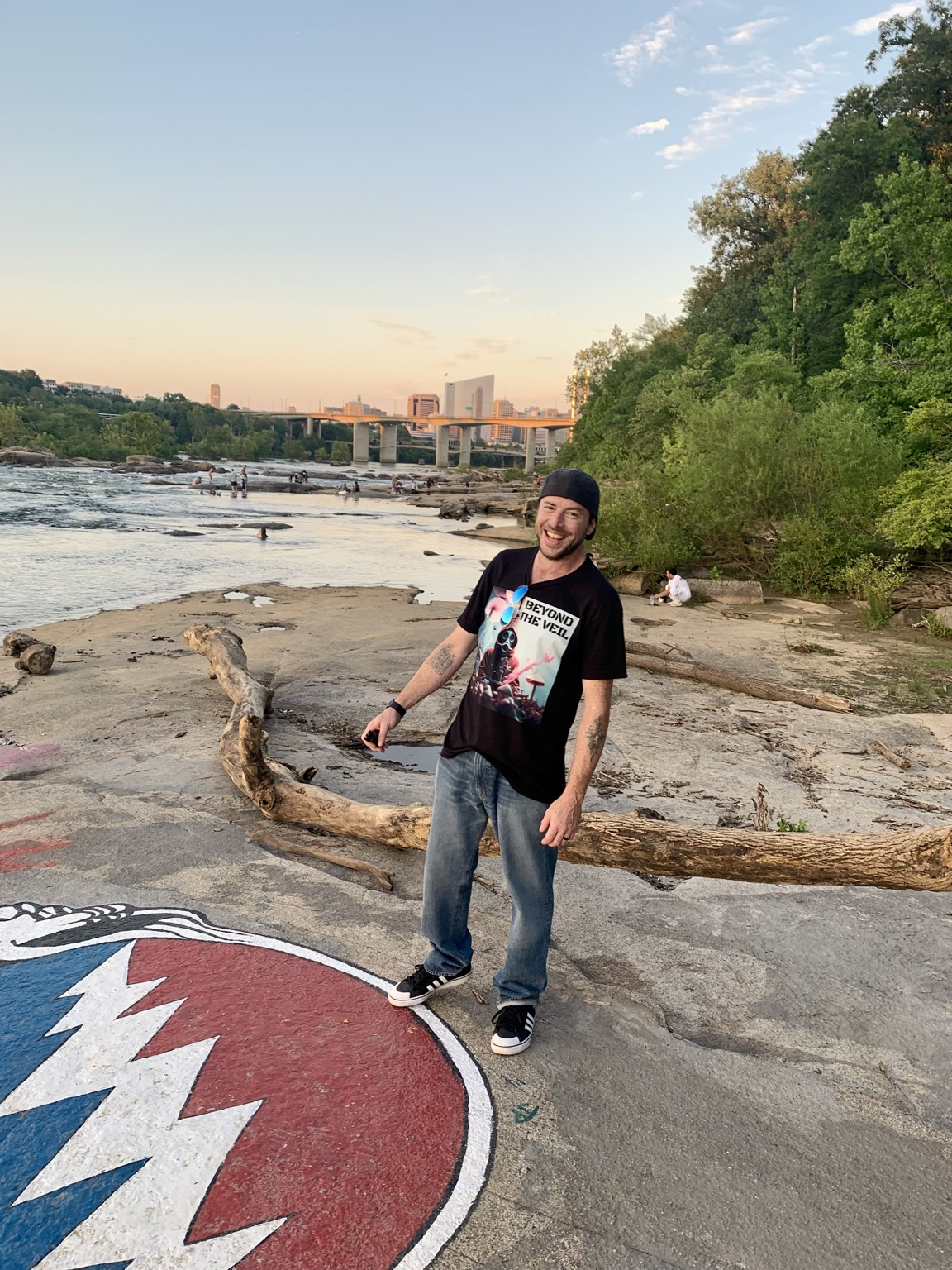
IN MEMORY OF TONY
Tony, you will always be missed and remembered.
For the good times and the bad.
For the laughter and the tears.
For the conversations, the lessons, and everything in between.
You started out asking me questions.
In the end, you became the one teaching me.
You will always be missed, my friend.